Hold onto your hats, folks, because we’re about to take a musical time machine back to the first three decades of the 20th century – a period that saw American music explode with energy, innovation, and a whole lot of toe-tapping! Forget the powdered wigs and minuets, this era was all about syncopation, soulful melodies, and the rise of uniquely American sounds.
Our journey begins with the irresistible ragtime. Imagine a piano player with lightning-fast fingers, injecting classical structures with a healthy dose of playful, off-beat rhythms. That’s ragtime in a nutshell! Think Scott Joplin, the “King of Ragtime,” whose infectious tunes like “The Entertainer” are still instantly recognizable today. Ragtime wasn’t just fun; it was revolutionary, breaking down musical barriers and paving the way for the jazz age.
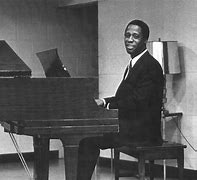
Speaking of jazz… oh, jazz! This is where things get really interesting. Born in the vibrant communities of New Orleans, jazz was a melting pot of musical influences: blues, ragtime, European harmonies, and African rhythms all blended together to create something entirely new. Picture smoky clubs, dazzling improvisations, and the soulful wail of the trumpet. Early jazz pioneers like Louis Armstrong,
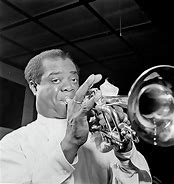
with his incredible trumpet skills and instantly recognizable voice, and Jelly Roll Morton,
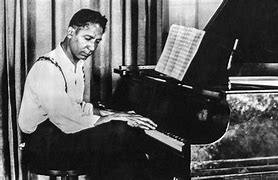
a self-proclaimed “inventor of jazz,” were laying the foundation for a musical genre that would sweep the world. These guys weren’t just playing music; they were telling stories, expressing emotions, and creating a vibrant cultural phenomenon.
But the music scene wasn’t just about ragtime and jazz. This era also saw the rise of popular song. Tin Pan Alley,
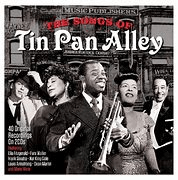
a district in New York City, became the heart of the songwriting industry. Think of it as the hit factory of the early 20th century. Songwriters churned out catchy tunes, often sentimental ballads or upbeat novelties, that were performed in vaudeville shows and became immensely popular. Irving Berlin,
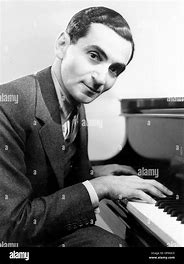
with hits like “Alexander’s Ragtime Band” (even though it’s more of a foxtrot than ragtime!), and George Gershwin,
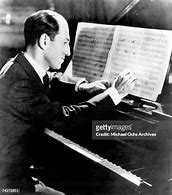
who blended classical influences with popular song in works like “Rhapsody in Blue,” were some of the biggest names in the game. These songs weren’t just fleeting trends; many of them became classics, part of the Great American Songbook, and are still enjoyed today.
And let’s not forget the blues! While the blues had its roots in the late 19th century, it flourished in the early 20th, becoming a powerful expression of hardship, resilience, and hope. From the Delta blues of Robert Johnson
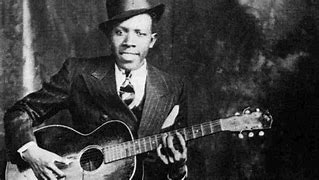
to the more polished sounds of Bessie Smith,
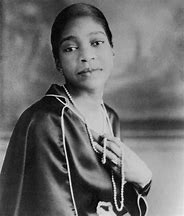
the “Empress of the Blues,” this genre gave voice to the African American experience and profoundly influenced both jazz and popular music.
So, there you have it – a whirlwind tour of American music from 1900 to 1930.
It was a time of musical revolution, innovation, and pure, unadulterated fun. From the playful rhythms of ragtime to the soulful improvisations of jazz, the catchy tunes of Tin Pan Alley, and the heartfelt expressions of the blues, this era laid the groundwork for much of the music we enjoy today. So put on some Louis Armstrong, tap your feet to some Scott Joplin, and get ready to experience the roaring twenties – musically speaking, of course!
 Sunday Songbirds
Leave a comment